Your Child's First ABA Session: A Complete Guide

In short: The first ABA session is a low-pressure, play-based observation and assessment session. A Board Certified Behavior Analyst (BCBA) will meet your family, ask about your child's strengths and challenges, and engage your child in natural play to gather data. No heavy therapy occurs yet; it's about building rapport and planning a personalized program. ABA therapy is typically covered by insurance and Medicaid in most states.
Key takeaways
- The first session is an assessment, not intensive therapy; it focuses on rapport-building and data collection.
- A BCBA leads the session, observing your child's behavior, communication, and play skills.
- Parent involvement is encouraged; you'll share goals and ask questions throughout.
- Expect a relaxed setting: toys, games, and natural interactions, not a clinical or stressful environment.
Find your child's ABA provider
About 60 seconds · free & confidential
- ✓ Vetted, BCBA-led providers
- ✓ In-home, center & telehealth
- ✓ No obligation, ever
Understanding the First ABA Session
Starting Applied Behavior Analysis (ABA) therapy is a big step. The first session is not about jumping into drills or strict routines. Instead, it's a gentle introduction designed to build trust and gather information. A Board Certified Behavior Analyst (BCBA) will lead this session, focusing on getting to know your child's unique personality, interests, and needs. This lays the foundation for a personalized therapy plan that respects your child's autonomy and strengths.
ABA therapy is evidence-based and widely recognized for helping children with autism develop communication, social, and daily living skills. Importantly, it's not one-size-fits-all. The first session ensures every step forward is tailored to your child. If you're unsure where to start, ABA Centers Near Me offers a free service to match you with vetted, BCBA-led providers in your area, simplifying the search process.
🔗 Related reading: Lack of Social Smile in Infants: An Early Autism Sign? · Local ABA Therapy
What Actually Happens During the First Session
Initial Introduction and Parent Interview
The BCBA will begin by meeting with you (and your child, if they're comfortable). They'll ask about your child's development, favorite activities, communication methods, and any concerns you have. This conversation is crucial for setting goals. For example, you might discuss areas like potty training, peer interaction, or reducing meltdowns. Be open and honest; no detail is too small.
Play-Based Observation
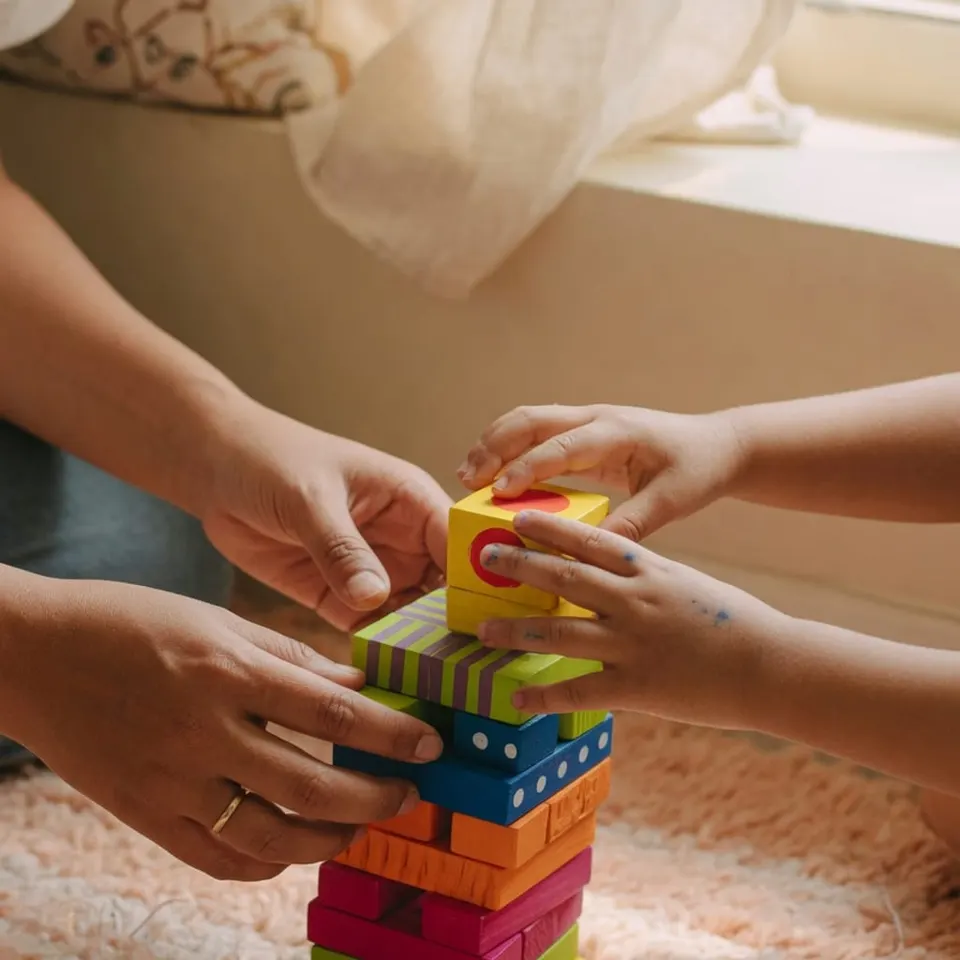
Next, the BCBA will engage your child in play. This isn't just fun-it's a structured observation. The therapist will note how your child initiates play, responds to directions, and handles transitions. They'll also assess language skills, eye contact, and problem-solving. Because this is play-based, most children feel at ease. The BCBA might introduce a simple game or toy to gauge interest and flexibility.
Preference and Motivational Assessment
Understanding what motivates your child is key to effective therapy. The BCBA will present various toys, snacks, or activities to see which ones your child prefers. This information is used to design a reward system that encourages learning later on. For instance, if your child loves bubbles, the therapist might use bubble play as a reward for completing tasks.
Data Collection Without Pressure
Throughout the session, the BCBA will discreetly record notes or use a tablet to track behaviors, responses, and interactions. This data is not used to judge your child but to create a baseline. It helps measure progress over time. Rest assured, the session should feel low-pressure for your child-no demands or forced interactions.
Looking for ABA therapy for your child? We match families with vetted, BCBA-led providers near you.
Get matched freeParent Involvement: Your Role Matters
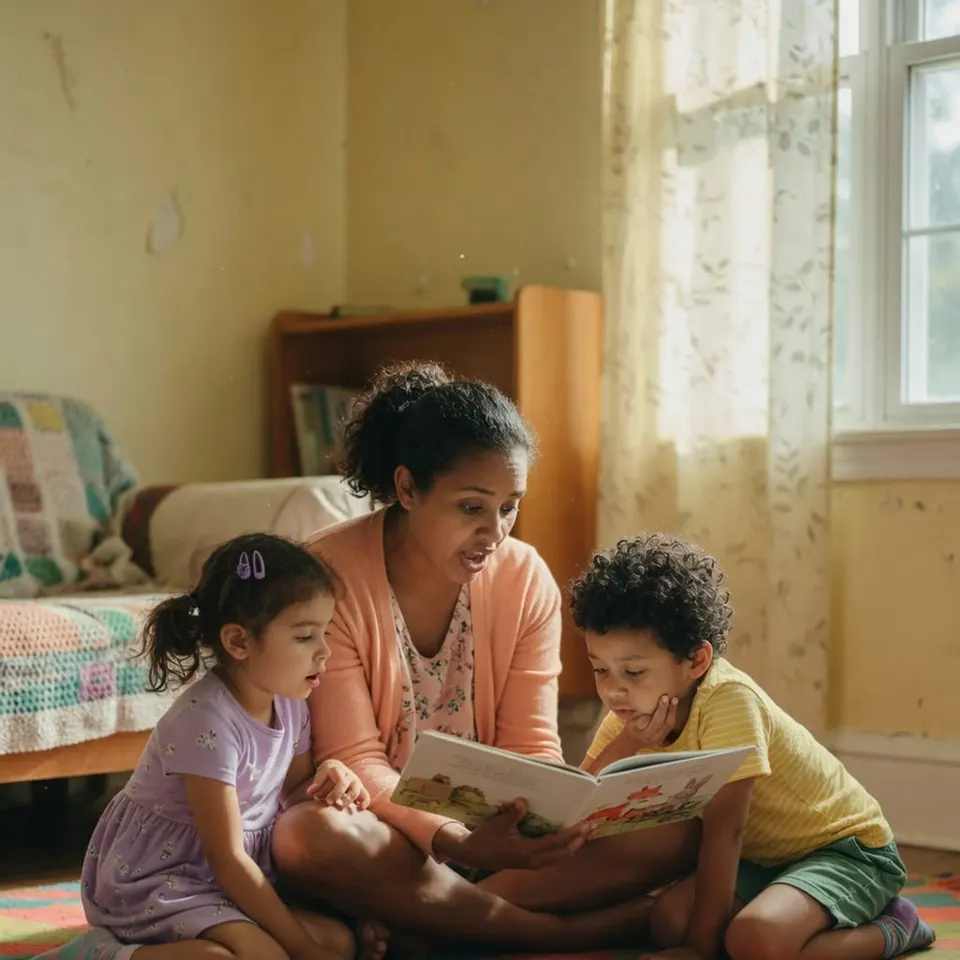
You are an essential part of the team. During the first session, you'll be asked to stay nearby (often in the same room or observing through a window). The BCBA will likely ask you to interact naturally-for example, to call your child by name or engage in a favorite routine. Your input helps the therapist understand family dynamics and language preferences.
Feel free to ask questions throughout. Common ones include: "How often will sessions happen?" "Will you work on aggression?" "How do I reinforce skills at home?" The therapist should answer clearly. After the session, they'll review initial observations and propose a plan for the next few weeks, including session frequency and target goals.

🔗 Related reading: ABA Waitlist 6 Months? What Now: Alternatives & Help · Nearby ABA Therapy
What to Expect After the First Session
Development of a Personalized Treatment Plan
Within a week or two, the BCBA will write a detailed treatment plan based on the initial assessment. This plan lists specific goals (e.g., "increase requesting behaviors by using pictures or words") and methods (e.g., discrete trial training, natural environment teaching). You'll have the chance to review and approve it before therapy begins in earnest.
Ongoing Communication
Most providers offer regular parent training sessions, where you learn strategies to support your child's progress at home. The first session is just the start of a collaborative journey. ABA Centers Near Me can help you find providers who prioritize parent involvement and transparent communication-at no cost to your family.
Costs and Insurance Coverage for ABA Therapy
Insurance and Medicaid Acceptance
ABA therapy is widely covered by private insurance and Medicaid in all 50 states, thanks to autism insurance reform laws. During the first session or the intake process, the provider's billing team will verify your insurance benefits and explain any copays or deductibles. Many families pay $0 out-of-pocket for in-network care. Even if you don't have insurance, several providers offer sliding scale fees or can connect you to state-funded programs.
Medicaid and Early Intervention
If you have Medicaid (for example, TennCare in Tennessee or MassHealth in Massachusetts), ABA is often a covered service, particularly for children under 21. Additionally, Early Intervention programs (Part C of IDEA) in your state may provide funding for ABA. The first session is a great time to ask about financial options-don't hesitate to discuss cost concerns with the BCBA or office manager.
Common Mistakes to Avoid Before and During the First Session
- Skipping the initial paperwork: Many parents rush through consent forms. Read them carefully; they outline confidentiality, session fees, and cancellation policies.
- Not sharing behavioral concerns: If your child has specific triggers (e.g., loud noises, transitions), mention them. This helps the BCBA adapt the session.
- Expecting immediate results: The first session is about building rapport, not making dramatic changes. Progress takes time and consistency.
- Overwhelming your child beforehand: Avoid hyping up the session or explaining it as a "big test." Keep it simple: "We're going to play with a new friend."
- Forgetting to ask about communication updates: Ensure you know how and when the BCBA will share progress notes, typically through a parent portal or weekly emails.
How ABA Centers Near Me Can Help You Get Started
Finding a qualified, compassion-driven ABA provider can feel overwhelming. That's where ABA Centers Near Me comes in. As a free matching service, we connect your family with vetted, BCBA-led clinics in your area. You fill out a simple form, and we handle the legwork-checking provider availability, insurance compatibility, and therapy philosophy. Whether you're in a large city or a rural county, we aim to reduce wait times and ensure your child gets started as soon as possible.
Our focus is on person-first, ethical care. Every provider in our network prioritizes play-based learning, family collaboration, and respect for neurodiversity. Reach out today to take the first step without any obligation.
Frequently Asked Questions About the First ABA Session
Note: This section is for reference only; the full FAQ appears below.
Still have questions? We've compiled a few common ones to ease your mind. For personalized guidance, our team at ABA Centers Near Me is just a click away.