In-Home vs. Center-Based ABA Therapy: How to Choose the Right Setting for Your Child

In short: In-home ABA therapy takes place in your child's natural environment, which can help with real-life skill generalization and family involvement. Center-based ABA offers a structured setting with more peer interaction and access to specialized equipment. The best choice depends on your child's age, needs, and family schedule. Our free matching service can connect you with vetted BCBA-led providers offering both options.
Key takeaways
- In-home ABA therapy helps children practice skills in their natural environment, promoting real-world generalization.
- Center-based ABA provides a structured setting with more peer interaction and access to specialized tools and therapists.
- Both settings are typically covered by insurance and Medicaid, but costs and availability may vary.
- Younger children or those with high sensory needs may benefit more from in-home therapy.
Understanding the Two Main Settings for ABA Therapy
Applied Behavior Analysis (ABA) therapy is a widely recognized, evidence-based approach for supporting children with autism spectrum disorder (ASD). One of the first decisions families face is whether to pursue therapy in their home or at a dedicated center. Both settings have unique advantages, and the right choice depends on your child's individual needs, your family's schedule, and your goals for therapy. This guide will walk you through the key differences, benefits, and considerations for each option.
🔗 Related reading: ABA vs School-Based Services: Key Differences · Local ABA Therapy
What Is In-Home ABA Therapy?
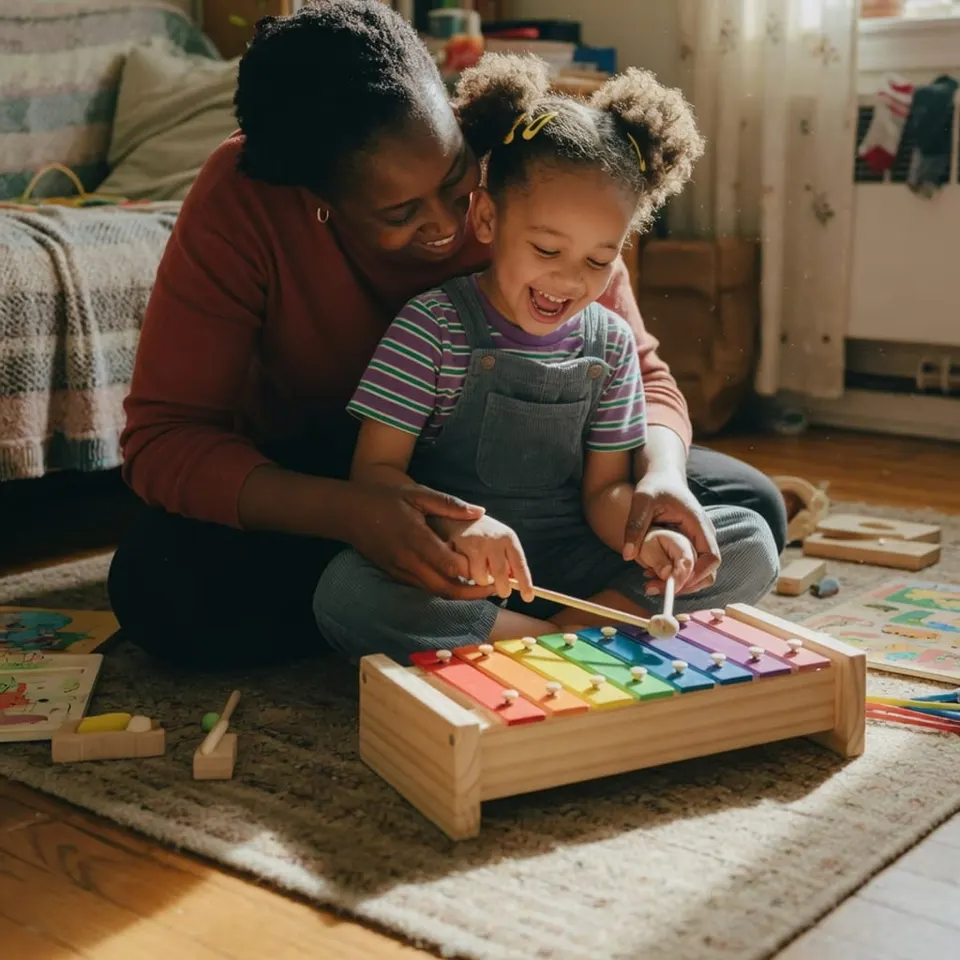
In-home ABA therapy takes place in your child's natural environment-your home. A Board Certified Behavior Analyst (BCBA) designs a personalized treatment plan, and a registered behavior technician (RBT) works directly with your child during scheduled sessions. This setting allows for real-life teaching moments, such as practicing daily routines like brushing teeth, eating meals, or transitioning between activities.
Benefits of In-Home ABA
- Natural environment: Skills are learned where they will be used, which can improve generalization.
- Family involvement: Parents and siblings can observe and participate, learning strategies to support the child throughout the day.
- Flexibility: Sessions can be scheduled around your family's routine, reducing travel time and stress.
- Comfort: Children may feel more at ease in familiar surroundings, especially those with sensory sensitivities or anxiety.
Potential Drawbacks of In-Home ABA
- Distractions: Home environments can have unpredictable interruptions (e.g., siblings, pets, phone calls).
- Limited peer interaction: Unless siblings are involved, children may miss out on social opportunities with peers.
- Space constraints: Some homes may not have a dedicated area for therapy materials or activities.
What Is Center-Based ABA Therapy?
Center-based ABA therapy occurs at a dedicated facility designed specifically for therapy. These centers often have multiple therapy rooms, sensory gyms, and play areas. Children typically attend sessions in small groups or one-on-one with a therapist, under the supervision of a BCBA. The structured environment allows for consistent routines and access to specialized equipment.
Benefits of Center-Based ABA
- Structured environment: Centers are designed to minimize distractions and maximize learning opportunities.
- Peer interaction: Children can practice social skills with peers in a supervised setting.
- Access to resources: Centers often have specialized tools, sensory equipment, and a team of therapists with diverse expertise.
- Consistency: The same setting and routine each day can help children feel secure and focused.
Potential Drawbacks of Center-Based ABA
- Travel time: Families must commute to and from the center, which can be time-consuming.
- Less family involvement: Parents may have fewer opportunities to observe sessions or learn strategies directly.
- Transition challenges: Some children may struggle with the change from home to center and back again.

🔗 Related reading: Combining ABA, Speech & OT in NC: A Family Guide · Nearby ABA Therapy
Key Factors to Consider When Choosing
Your Child's Age and Developmental Stage
Younger children (toddlers and preschoolers) often benefit from in-home therapy because it integrates learning into their daily routines. Older children and teens may thrive in a center-based setting where they can practice social skills and independence in a more structured environment.
Your Child's Sensory and Behavioral Needs
Children with high sensory sensitivities or anxiety may feel overwhelmed in a busy center. In-home therapy can provide a calmer, more predictable setting. Conversely, children who need more stimulation or who are easily distracted at home may do better in a center with fewer interruptions.
Family Schedule and Logistics
Consider your family's daily routine. In-home therapy eliminates travel time, which can be a huge relief for busy families. Center-based therapy requires a consistent drop-off and pick-up schedule, but it also gives parents a dedicated block of time for other tasks.
Insurance and Cost
Both in-home and center-based ABA therapy are typically covered by insurance, including Medicaid, under the autism benefit. However, coverage details can vary. Some plans may have different copays or session limits depending on the setting. Our free matching service can help you find providers that accept your insurance and offer the setting you prefer.
How to Make the Decision: A Step-by-Step Approach
Step 1: Assess Your Child's Needs
Talk to your child's pediatrician, BCBA, or early intervention team. They can help identify which skills your child needs to work on and which setting might be most effective.
Step 2: Visit Both Options
If possible, observe an in-home session and tour a center. Ask questions about the therapist-to-child ratio, the daily schedule, and how they handle challenging behaviors.
Step 3: Consider a Hybrid Approach
Some providers offer a combination of in-home and center-based therapy. For example, a child might attend center-based sessions for social skills groups and receive in-home therapy for daily living skills. This can offer the best of both worlds.
Step 4: Use a Free Matching Service
Our service at ABA Centers Near Me connects families with vetted, BCBA-led providers who offer both in-home and center-based options. We help you compare providers, check insurance coverage, and find the right fit for your family-all at no cost to you.
Common Mistakes to Avoid
- Choosing based solely on convenience: While travel time matters, the setting should primarily support your child's learning needs.
- Ignoring your child's preferences: If your child is old enough to express an opinion, consider their comfort level with each setting.
- Assuming one setting is always better: Every child is unique. What works for one may not work for another.
- Not checking insurance coverage: Always verify with your insurance provider what settings are covered and any out-of-pocket costs.
Final Thoughts: Trust Your Instincts and Seek Support
Choosing between in-home and center-based ABA therapy is a personal decision. There is no one-size-fits-all answer. The most important thing is to find a setting where your child feels safe, engaged, and supported. Remember, you can always change settings if your child's needs evolve. Our free matching service is here to help you navigate this process and connect with providers who prioritize your child's success.