ABA Provider Shortages in New York: Alternatives While You Wait
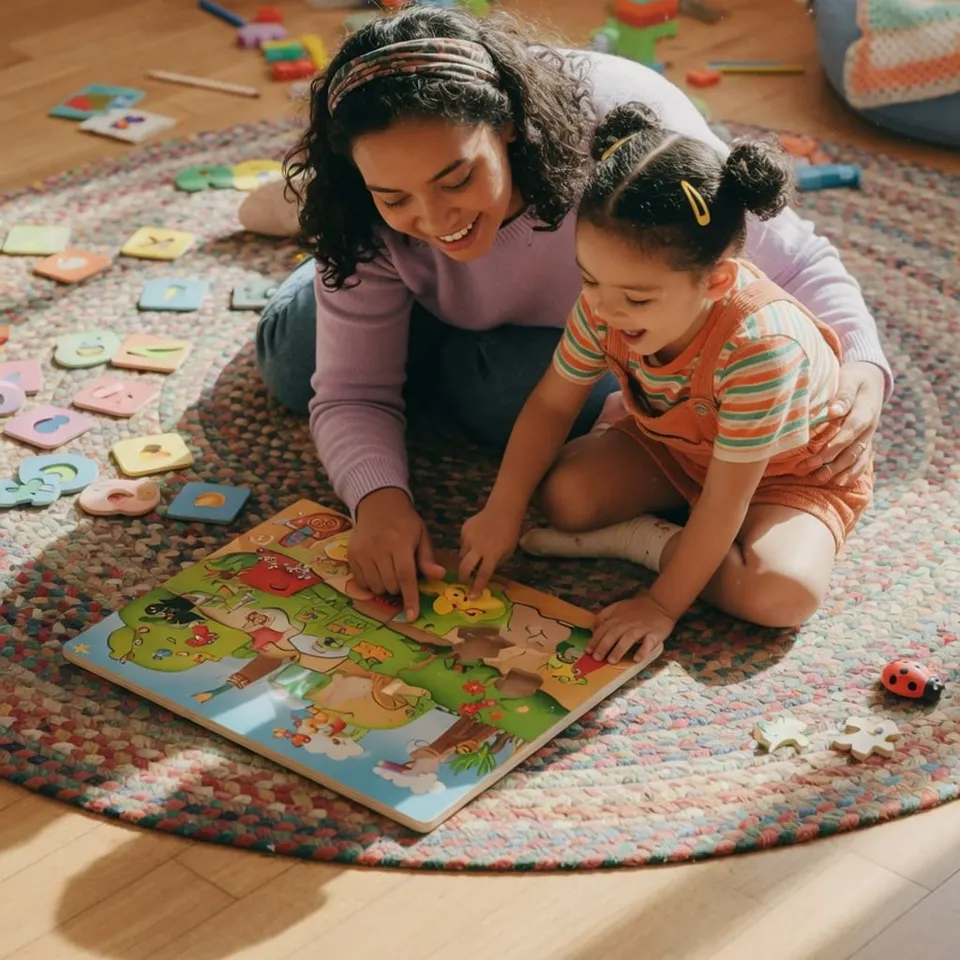
In short: New York families often face long waitlists for ABA therapy due to high demand and limited providers. While you wait, consider parent training with BCBA telehealth supervision, school-based services through CPSE/CSE, and community supports. A free matching service like ABA Centers Near Me can help you find vetted providers with current openings and navigate insurance.
Key takeaways
- New York's ABA provider shortage means waitlists can stretch 6-12 months, especially in NYC and upstate regions.
- Parent-led ABA with remote BCBA supervision is an evidence-based alternative that can start quickly.
- School districts through CPSE/CSE may offer ABA-related services even before a private provider is available.
- NYS Medicaid and most commercial insurance plans cover ABA, but verification is key to avoid surprises.
Find your child's ABA provider in New York
About 60 seconds · free & confidential
- ✓ Vetted, BCBA-led providers
- ✓ In-home, center & telehealth
- ✓ No obligation, ever
Understanding New York's ABA Provider Shortage
Applied Behavior Analysis (ABA) therapy is widely recognized as an evidence-based intervention for autistic children and individuals with developmental disabilities. In New York, demand for ABA has surged over the past decade, driven by insurance mandates, increased awareness, and growing diagnosis rates. Yet the supply of qualified Board Certified Behavior Analysts (BCBAs) and Registered Behavior Technicians (RBTs) has not kept pace. Families across the state - from Manhattan to Buffalo and everywhere in between - regularly report waitlists of six months to a year for a full-time ABA program.
This shortage is especially acute for families enrolled in New York State Medicaid (including Managed Care and the Children's Health Insurance Program) and even for those with private insurance through large employers. The result is a stressful period where a child may be waiting for critical early intervention. The good news is that you do not have to sit idly by. There are meaningful alternatives you can pursue while waiting for a permanent ABA provider.

🔗 Related reading: Utah Autism Diagnosis: A Parent's Step-by-Step Guide · Local ABA Therapy
Why the Shortage Exists
Growing Demand for ABA
New York has one of the largest populations of autistic children in the nation. Early diagnosis and strong advocacy have led to a sharp increase in families seeking ABA. Additionally, New York's commercial insurance plans are required to cover ABA under mental health parity laws, and NYS Medicaid has expanded coverage. This creates more funded slots, but the number of trained BCBAs has not grown proportionally.
Workforce Challenges
Becoming a BCBA requires a master's degree, supervised fieldwork, and passing a national exam - a process that takes years. RBTs, who deliver direct therapy, also require training and supervision. Low reimbursement rates in some regions and high burnout contribute to turnover. Rural and suburban areas of New York, such as the Finger Lakes, North Country, and parts of Long Island, face particular difficulties retaining staff.
Looking for ABA therapy for your child? We match families with vetted, BCBA-led providers near you.
Get matched freePractical Alternatives While You Wait
Parent-Led ABA Strategies with Remote BCBA Supervision
One of the most effective alternatives is parent-mediated ABA. Under this model, a BCBA works with you remotely via telehealth to design a behavior support plan, teach you strategies, and monitor progress. You implement the interventions during everyday routines. Research shows this approach can produce meaningful gains, especially for young children. Many BCBAs offer parent training on a fee-for-service basis or through insurance - and it often begins within weeks, not months. Ask a matching service if they can connect you with a BCBA offering this service.
Early Intervention (EI) and CPSE/CSE School-Based Services
If your child is under three, New York's Early Intervention Program (EI) is a no-cost option regardless of insurance. EI can provide developmental evaluations, speech therapy, occupational therapy, and sometimes behavior support. While EI typically does not deliver intensive ABA, an EI service coordinator can help you request a behavior consultant. For children three and older, your local Committee on Preschool Special Education (CPSE) or Committee on Special Education (CSE) can include ABA-related goals and services in an Individualized Education Program (IEP). School districts are required to provide appropriate services, and many contract with ABA agencies or employ BCBAs directly.
Community-Based Supports
Local parent support groups, recreation programs, and respite care can reduce stress and build skills. Organizations like the Autism Society of the Genesee Valley, the Family Resource Network, and the NYC Autism Charter School offer workshops and social skills groups. While not a replacement for ABA, these programs complement formal therapy and keep your child engaged. Contact your local developmental disabilities regional office (e.g., OPWDD) for information on respite and community habilitation services.
Telehealth ABA (If Available)
Some ABA providers now offer fully remote direct therapy for select children. Telehealth ABA works best for verbal older children or for parent coaching. It can be a bridge until an in-person slot opens. Ask if your insurance covers telehealth sessions - most plans have expanded coverage since the pandemic.
Use a Free Matching Service to Find Open Slots
ABA Centers Near Me is a free service that helps New York families get matched with vetted, BCBA-led providers. Instead of calling clinics one-by-one, you submit your needs and the service identifies providers with current availability, including those offering parent training, telehealth, or in-home services. The matching process also includes insurance verification, so you know what is covered before you start. This can shave months off the search.

🔗 Related reading: Combining ABA, Speech & OT in NC: A Family Guide · Nearby ABA Therapy
How Insurance and Medicaid Can Help
New York State Medicaid (NYS Medicaid) covers ABA therapy for children under 21 when deemed medically necessary. Private insurance plans regulated by New York must also provide coverage for autism treatment, including ABA, under the state's mental health parity law. However, every plan is different. Before committing to any alternative - parent training, telehealth, or a new provider - verify your benefits. Your deductible, co-pay, and number of authorized hours may limit options. A matching service can often help with this verification at no cost.
If you have Medicaid managed care, contact your plan's care manager. For fee-for-service Medicaid, the NYS Department of Health can direct you to approved providers. Keep documentation of any waitlist start dates - this may help if you appeal a denial later.
Mistakes to Avoid When Seeking Alternatives
- Relying on uncertified practitioners. Only accept services supervised by a BACB-certified BCBA or BCBA-D. Unlicensed or unqualified providers may not deliver effective therapy and could even harm progress.
- Assuming school services replace ABA. Schools have limited resources; an IEP may not provide enough hours. Use school services as a supplement, not a substitute.
- Ignoring parent training because it seems "less intensive." High-quality parent training is a robust intervention and can be just what a child needs while waiting.
- Not documenting everything. Keep a log of calls, waitlist dates, and insurance communications. This supports your case if you need to file a grievance or request a single-case agreement.
- Stopping all supports out of frustration. Continue with any existing therapies (speech, OT) and maintain routines. Consistency is key.
How to Get Matched with a Vetted BCBA-Led Provider
When you are ready to move forward, ABA Centers Near Me offers a straightforward process. Visit the website, fill out a brief form about your child's age, location, insurance, and needs. Within a few business days, the team will present you with provider options that match your criteria. Each provider is vetted to ensure they are led by a BCBA and have current availability. The service is completely free - there is no cost to you, and no obligation to accept any match. You can use it to find both full-time ABA slots and short-term alternatives like parent training or telehealth.
This approach saves hours of research and helps you bypass the frustration of dead-end phone calls. Many families find providers they never knew existed, especially in underserved areas of New York.
Moving Forward with Confidence
The ABA provider shortage in New York is real, but it does not have to mean a halt in progress. By combining parent-led strategies, school-based services, community supports, and a smart matching service, you can create a comprehensive plan that keeps your child learning and growing. Stay persistent, ask questions, and remember that you are your child's best advocate. The right support - even in the interim - is within reach.