NY Families: Combining ABA, Speech & OT
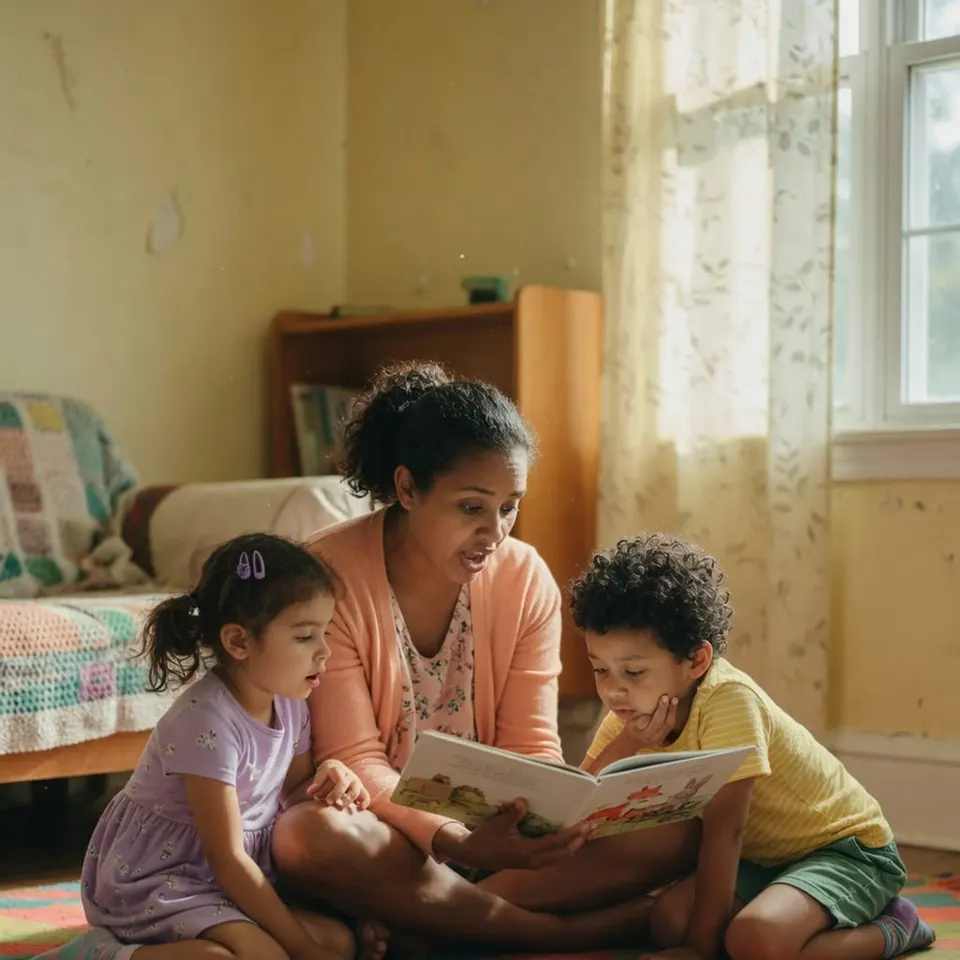
In short: Many New York families combine Applied Behavior Analysis (ABA) with speech and occupational therapy to address their child's communication, sensory, and behavioral needs. Coordination between providers, insurance coverage (including NY Medicaid), and using a free matching service can simplify this process. The key is finding therapists who collaborate and align goals.
Key takeaways
- Integrating ABA, speech, and OT creates a cohesive support system for children with autism in New York.
- New York's Early Intervention Program (EIP) and CPSE can fund combined therapies for eligible children.
- Most commercial insurance and NY Medicaid cover ABA, speech, and OT with a prescription.
- Coordinating schedules and goals among therapists is crucial for effective therapy.
Find your child's ABA provider
About 60 seconds · free & confidential
- ✓ Vetted, BCBA-led providers
- ✓ In-home, center & telehealth
- ✓ No obligation, ever
Why Integrated Therapy Matters in New York
For families raising a child with autism in New York, the journey often involves multiple therapies. Applied Behavior Analysis (ABA), speech-language pathology, and occupational therapy (OT) each target different developmental areas, but they work best when delivered in a coordinated, integrated way. Rather than treating each skill in isolation, combining these therapies under a shared framework helps children generalize skills across settings-at home, school, and in the community.
New York State offers strong support for early intervention and school-based services, but navigating the system can be overwhelming. That's where understanding how to intentionally combine ABA with speech and OT becomes essential. When providers communicate and align their goals, therapy becomes more efficient and meaningful for the child.
As a free matching service, ABA Centers Near Me helps New York families find vetted, BCBA-led ABA providers who are experienced in coordinating with other therapists. This integration can reduce stress and improve outcomes.
🔗 Related reading: Telehealth ABA in Utah: Rules and Coverage · Local ABA Therapy
Understanding ABA, Speech, and OT
Applied Behavior Analysis (ABA)
ABA is a evidence-based therapy that focuses on understanding and improving socially significant behaviors. It uses principles of behavior to teach new skills-such as communication, self-care, and social interaction-and to reduce behaviors that interfere with learning. In New York, ABA is often delivered by Board Certified Behavior Analysts (BCBAs) and registered behavior technicians (RBTs) in homes, clinics, or schools.
Speech-Language Pathology
Speech-language pathologists (SLPs) address communication disorders, including speech sounds, language comprehension, social communication (pragmatics), and augmentative/alternative communication (AAC). For a child with autism, speech therapy might focus on initiating requests, understanding emotions, or using a communication device.
Occupational Therapy
Occupational therapists (OTs) help children develop fine motor skills, sensory processing, self-regulation, and daily living skills-like dressing, feeding, and handwriting. OT is particularly important for children with autism who experience sensory sensitivities or motor planning challenges.
When these three disciplines collaborate, a child might learn a request in speech therapy, practice it in ABA sessions, and use the same motor skills in OT-all reinforcing the same goal from different angles.
Looking for ABA therapy for your child? We match families with vetted, BCBA-led providers near you.
Get matched freeHow New York Families Coordinate Multiple Therapies
Finding Providers Who Collaborate
In New York, some clinics and agencies offer "wraparound" services where ABA, speech, and OT are provided under one roof. Others may require you to coordinate separate providers. The key is to ensure each therapist shares goals and communicates regularly. Many BCBAs are experienced in writing behavior plans that incorporate speech and OT recommendations.
Using a free matching service like ABA Centers Near Me can streamline the search. We connect you with BCBA-led providers who are open to collaboration and familiar with New York's regulatory environment, including NY Medicaid and commercial insurance requirements.
Scheduling Tips
- Arrange overlapping sessions where two therapists work together (e.g., an SLP and BCBA co-treating).
- Request shared notes or a common goal sheet so each therapist knows what the others are targeting.
- Schedule regular team meetings-many New York providers offer monthly or quarterly care coordination calls.
- Leverage telehealth for speech or OT if scheduling in-person sessions is difficult.

🔗 Related reading: Is ABA Therapy Covered by NC Medicaid? · Nearby ABA Therapy
Insurance and Costs in New York
Medicaid and Commercial Plans
New York State mandates that ABA therapy be covered by commercial insurance plans (with some exceptions). Medicaid and the Child Health Plus program also cover ABA, speech, and OT when deemed medically necessary. For children under 3, New York's Early Intervention Program (EIP) can provide these therapies at no cost to families. For ages 3-5, the Committee on Preschool Special Education (CPSE) offers school-based services.
It's important to get a prescription from a physician or a diagnostic evaluation to start services. Your insurance provider can give you a list of in-network therapists. If you need help finding ABA providers, ABA Centers Near Me can match you with BCBA-led practices that accept your insurance.
Using a Free Matching Service
Our service is completely free for families. We vet ABA providers for BCBA oversight, experience, and willingness to coordinate with speech and OT. We'll present you with options tailored to your location, insurance, and therapy needs-saving you hours of research.
Practical Tips for Parents
- Start with a comprehensive evaluation. A good diagnostic assessment will identify needs across domains, guiding which therapies to prioritize.
- Share a "therapy passport." Create a one-page document with your child's strengths, triggers, goals, and communication strategies. Give it to every provider.
- Use consistent language. If speech therapy introduces a new communication system (e.g., PECS or an AAC app), make sure ABA and OT use the same system.
- Celebrate small wins. Integrated therapy can take time. Recognize when your child uses a new word during OT or self-regulates after an ABA session.
- Advocate for your child. You know them best. If a therapist isn't communicating well with others, request a change or a team meeting.

Common Mistakes to Avoid
- Keeping therapies in silos. When speech, OT, and ABA run separately without communication, skills don't transfer as well.
- Overloading the schedule. Too many therapy hours can lead to burnout. Quality over quantity matters.
- Choosing providers based only on proximity. Consider their willingness to collaborate. A 30-minute drive might be worth it for a team that coordinates well.
- Ignoring school-based services. In New York, CPSE and CSE (Committee on Special Education) can provide speech and OT at school. Coordinate these with your outside providers.
- Not asking about experience with your child's profile. Some BCBAs specialize in early learners; others focus on teens. Match expertise to your child's needs.
Getting Started with ABA Centers Near Me
Combining ABA, speech, and OT doesn't have to be a puzzle. Start by finding a strong ABA provider who values collaboration. ABA Centers Near Me is a free service that matches New York families with vetted, BCBA-led providers. We understand the local insurance landscape, including NY Medicaid and Early Intervention partnerships. Simply fill out our short form, and we'll share options that fit your family's needs and preferences. From there, you can interview providers and discuss how they integrate with your speech and OT team.
Ready to take the next step? Let us help you build a cohesive therapy team that supports your child's growth across every setting.