ABA Therapy for 6-Year-Olds with Aggression: A Parent's Guide

In short: ABA therapy is an evidence-based approach that can reduce aggression in 6-year-olds with autism by teaching replacement behaviors and communication skills. Our free matching service connects families with vetted BCBA-led providers who often accept insurance and Medicaid. Early intervention and a team-based approach are key to long-term success.
Key takeaways
- ABA therapy uses positive reinforcement to replace aggressive behaviors with safer, more functional skills.
- A Board Certified Behavior Analyst (BCBA) designs and oversees the treatment plan tailored to your child.
- Most insurance plans and state Medicaid programs cover ABA therapy for children with autism.
- Finding a provider who specializes in aggression can speed up progress; our free service helps match you with vetted clinics.
Find your child's ABA provider
About 60 seconds · free & confidential
- ✓ Vetted, BCBA-led providers
- ✓ In-home, center & telehealth
- ✓ No obligation, ever
Understanding Aggression in 6-Year-Olds with Autism
Aggressive behaviors in young children with autism can be distressing for the entire family. Hitting, biting, kicking, or throwing objects are not signs of a "bad" child; they are often a form of communication-a way to express frustration, seek attention, escape a demand, or cope with sensory overload. At age 6, children are developing more independence but may lack the language or social skills to express their needs effectively. This is where Applied Behavior Analysis (ABA) therapy can make a profound difference.
ABA is a scientifically validated approach that focuses on understanding why a behavior occurs and teaching alternative, acceptable behaviors. For a 6-year-old with aggression, a BCBA will conduct a functional behavior assessment to identify triggers and reinforce positive choices. The goal is not to punish aggression but to equip the child with tools to manage emotions and communicate needs.
Why Aggression May Increase at Age 6
At this developmental stage, children face increased academic and social demands-preschool or kindergarten, peer interactions, and following multi-step instructions. For a child with autism, these challenges can lead to meltdowns. Common triggers include transitions, unexpected changes, difficulty with language, and sensory sensitivities. Recognizing these patterns is the first step toward meaningful intervention.

🔗 Related reading: ABA vs Alternatives: Finding the Right Therapy · Local ABA Therapy
How ABA Therapy Addresses Aggression
Functional Behavior Assessment (FBA)
The process begins with a BCBA observing your child at home, school, or in a clinic setting to determine the "function" of the aggressive behavior. Is it to escape a task? To gain access to a preferred item? To get attention? The FBA yields a hypothesis that guides treatment. For example, if a child hits to avoid math work, the plan may teach a replacement behavior like requesting a break.
Teaching Replacement Behaviors
ABA focuses on teaching pro-social behaviors that serve the same function as the aggression. The child learns to use words, signs, or a picture exchange system to request a break, ask for help, or express discomfort. These skills are reinforced systematically so they become more likely than the aggressive response.
Environmental Modifications & Prevention
Sometimes changing the environment reduces triggers. This can include visual schedules to reduce uncertainty, offering choices to foster autonomy, or increasing preferred activities during high-stress times. The BCBA works with parents and teachers to set up the environment for success.
Parent and Caregiver Training
Research shows that parent involvement improves outcomes. ABA programs include ongoing training so you can use consistent strategies at home. You learn how to prompt calm behavior, reinforce positive interactions, and avoid inadvertently reinforcing aggression (e.g., giving in after a tantrum). This collaborative approach builds a consistent support system around your child.
Looking for ABA therapy for your child? We match families with vetted, BCBA-led providers near you.
Get matched freeWhat a Typical ABA Session Looks Like for a 6-Year-Old
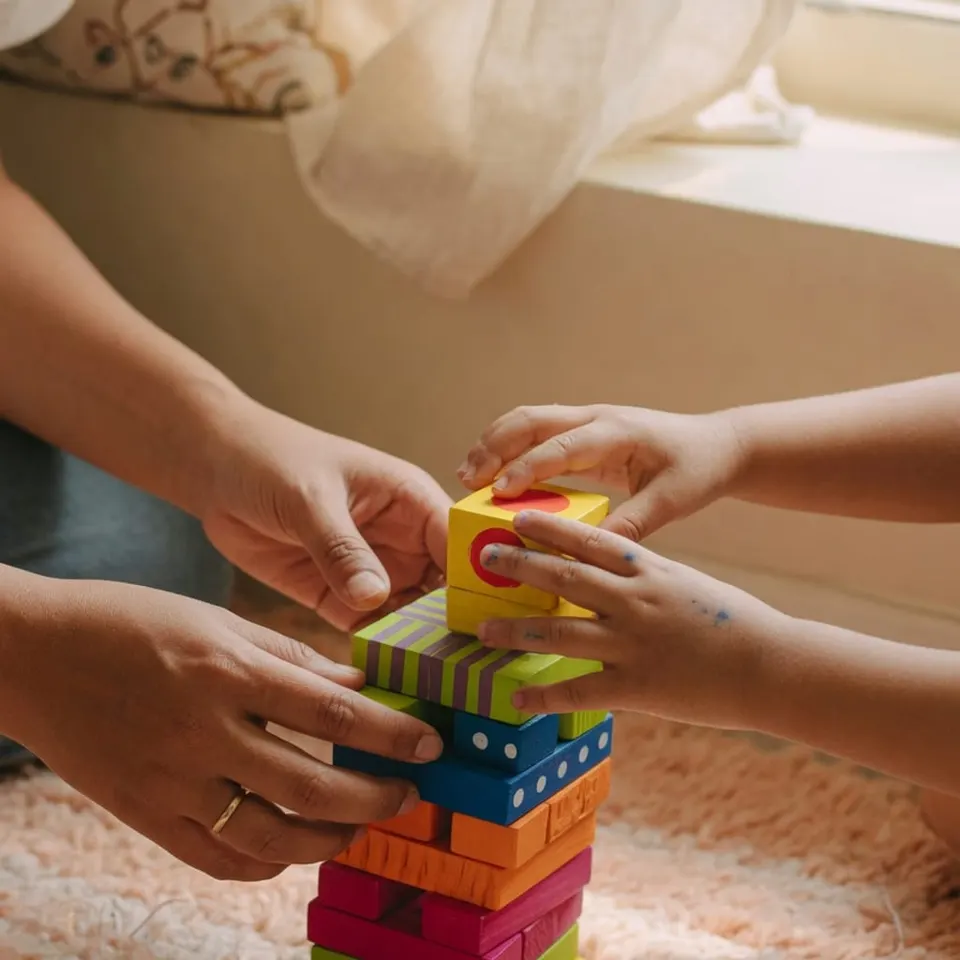
Sessions often run 2-4 hours, several times per week, depending on the child's needs. They may occur at a clinic, in home, or at school. A typical session includes:
- Pairing and Rapport Building: The therapist engages in highly preferred activities to create a positive relationship.
- Structured Teaching: Specific skills are taught in short intervals, using clear instruction, modeling, and reinforcement.
- Natural Environment Training: Skills are practiced in everyday situations (e.g., requesting a snack during snack time).
- Behavior Reduction Procedures: If aggression occurs, the therapist follows a predetermined plan (e.g., redirecting to a calm-down corner).
- Data Collection: Every behavior, prompt, and reinforcement is recorded to track progress and adjust the plan.
How Long Before You See Results?
Some changes can be seen in a few weeks, but lasting reduction in aggression typically requires 3-6 months of consistent therapy. The duration depends on the child's history, the intensity of sessions, and the fidelity of implementation. Patience and celebration of small victories are essential.
🔗 Related reading: ABA Therapy Intensity for Low Functioning Autism · Nearby ABA Therapy
Cost and Insurance Coverage for ABA Therapy
ABA therapy can cost $120-$200 per hour without insurance, but most families pay far less through coverage. Most private insurance plans are required to cover ABA for autism under mental health parity laws. State Medicaid programs also generally cover ABA for eligible children. Check if your plan requires a diagnosis of autism and a doctor's referral. Our free matching service can help you find providers who accept your insurance and offer Medicaid.
Financial Assistance and Early Intervention
Many states have early intervention programs that may fund ABA for children under age 6. Some clinics offer sliding scale fees or scholarships. Talk to your BCBA and insurance company to understand your benefits. You can also contact your state's Department of Developmental Services for additional resources.
Mistakes to Avoid When Seeking ABA for Aggression
- Ignoring the function of behavior: Punishing aggression without understanding why it happens can backfire. ABA relies on function-based treatment.
- Skipping parent training: Progress stalls if strategies are not implemented at home. Ask for active parent coaching.
- Choosing a provider without aggression experience: Not all ABA providers specialize in challenging behaviors. Look for a BCBA with a track record in behavior reduction.
- Expecting overnight results: Real change requires consistency over months. Unrealistic expectations lead to frustration and premature termination.
- Neglecting self-care: Parenting a child with aggression is exhausting. Support for caregivers is vital for long-term success.
Finding the Right BCBA-Led Provider
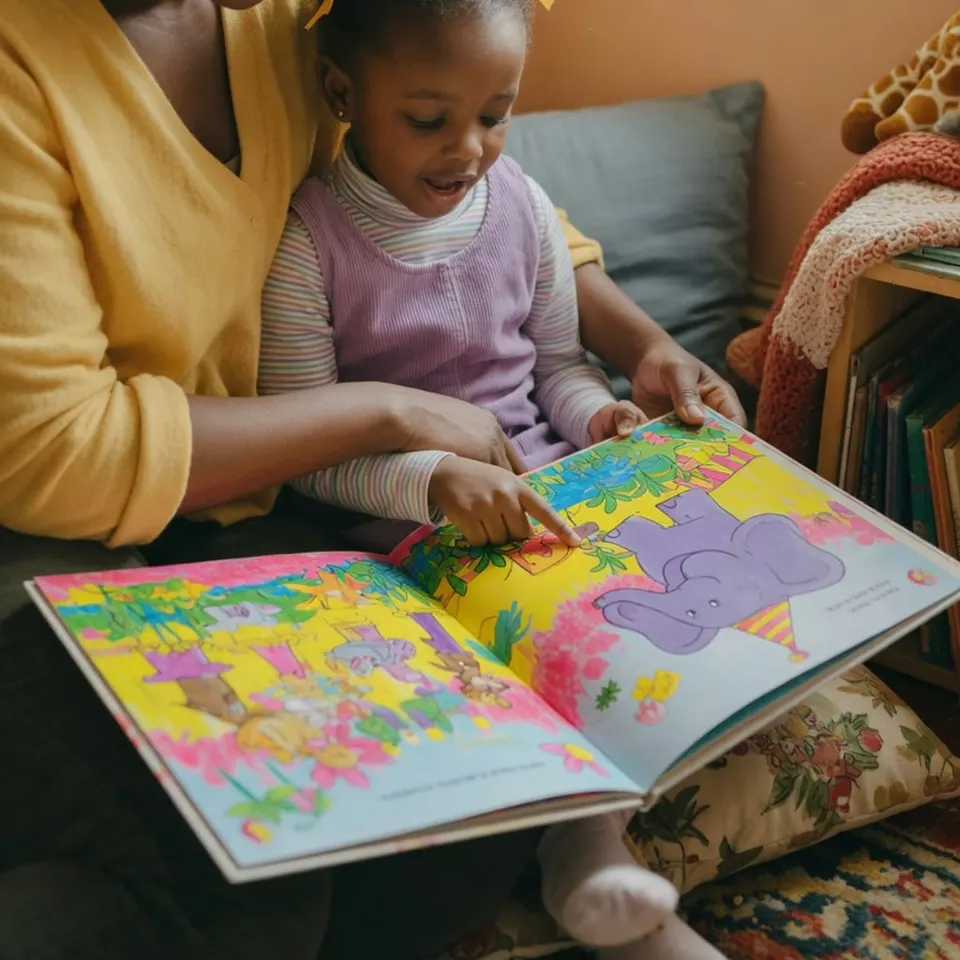
A great fit with a BCBA who understands your child's unique needs can make all the difference. At ABA Centers Near Me, we offer a free, no-obligation matching service to connect you with vetted, BCBA-led providers in your area. We verify credentials, insurance acceptance, and clinical expertise-including experience with aggression. You fill out a brief form about your child, and we handle the legwork. Start your journey today toward safer, happier days for your family.
Supporting Your Child Beyond Therapy
In addition to ABA, consider speech therapy to improve communication, occupational therapy for sensory integration, and social skills groups. A holistic approach-with all providers communicating-yields the best outcomes. Remember: your child's aggression is not a reflection of your parenting. With the right help, children can learn to express themselves without harm, and your family can find greater peace.