How to Explain Autism to Siblings: A Warm, Practical Guide for Families

In short: Explain autism to siblings by using simple, honest language that highlights differences as part of human diversity. Focus on the child's strengths and challenges without labels like "broken." Younger kids need basic metaphors (e.g., "different brain wiring"), while older siblings can learn about sensory needs and social differences. Encourage questions, validate feelings, and involve them in supportive, positive ways. Free matching with vetted ABA providers through ABA Centers Near Me can also offer sibling-focused resources and family support.
Key takeaways
- Start early and use simple, positive language that focuses on differences, not deficits.
- Tailor explanations to each sibling's age, maturity, and personality.
- Validate all emotions siblings may feel, from confusion to jealousy to pride.
- Avoid labeling autism as a "problem" or "disease"-emphasize it's a different way of experiencing the world.
Why Talking About Autism Matters for Siblings
When a child is diagnosed with autism spectrum disorder (ASD), the entire family begins a new journey. Siblings-whether older or younger-are often the most deeply affected, yet they can be left out of conversations. Explaining autism clearly and with warmth helps siblings build empathy, reduce confusion, and strengthen their bond. It also prevents misconceptions that can lead to resentment or guilt. This guide will help you navigate these conversations with care, using science-backed insights and practical strategies.
🔗 Related reading: Ohio School-District Autism Services: Who to Call First · Local ABA Therapy
Understanding Autism Through a Sibling's Eyes
What Autism Is-and Isn't
Start by defining autism in a way that is accurate yet accessible. Use phrases like: "Autism means your sibling's brain works in a unique way. They might learn, talk, play, and handle feelings differently-not wrong, just different." Avoid terms like "suffers from" or "disease." Instead, frame it as a neurotype-a natural variation in how the brain processes information.
Common Sibling Questions and Concerns
Siblings often wonder: "Did I cause it?" "Can I catch it?" "Will they be okay?" Reassure them that autism is not caused by anyone's behavior and is not contagious. Use concrete examples: "Your brother might need more quiet time because loud sounds feel overwhelming to him, just like you might need a hug when you're sad." This builds understanding without overwhelm.
Age-Appropriate Ways to Explain Autism
For Toddlers and Preschoolers (Ages 2-5)
Keep it simple: "Your sister's brain works differently. She likes to play in her own way, and that's okay." Use books like My Brother Charlie or All My Stripes to illustrate differences. Focus on strengths: "She can remember all the dinosaur names!" Avoid over-explaining; young children learn through play and observation.
For School-Age Kids (Ages 6-12)
At this age, children can grasp more nuance. Explain that autism affects how someone communicates and senses the world. Use metaphors: "Think of a computer game: your sibling has a different controller. Some buttons are harder to press, but other levels are easier." Discuss sensory sensitivities: "He might cover his ears at the movie theater because the sound feels too big to his ears." Encourage questions and answer honestly but gently.
For Teens and Young Adults (Ages 13+)
Teens can handle detailed conversations about neurodiversity. Talk about the spectrum, masking, and stimming. Use terms like "executive function" and "social communication" with simple definitions. Discuss the social model of disability: "Society isn't always built for autistic people, but that doesn't mean something is wrong with them." Validate their own experiences, including embarrassment or frustration, and offer ways to get involved in advocacy.

🔗 Related reading: 3 Year Old Not Talking But Babbling? ABA Can Help · Local ABA Therapy
Fostering Connection, Not Resentment
Creating Shared Positive Experiences
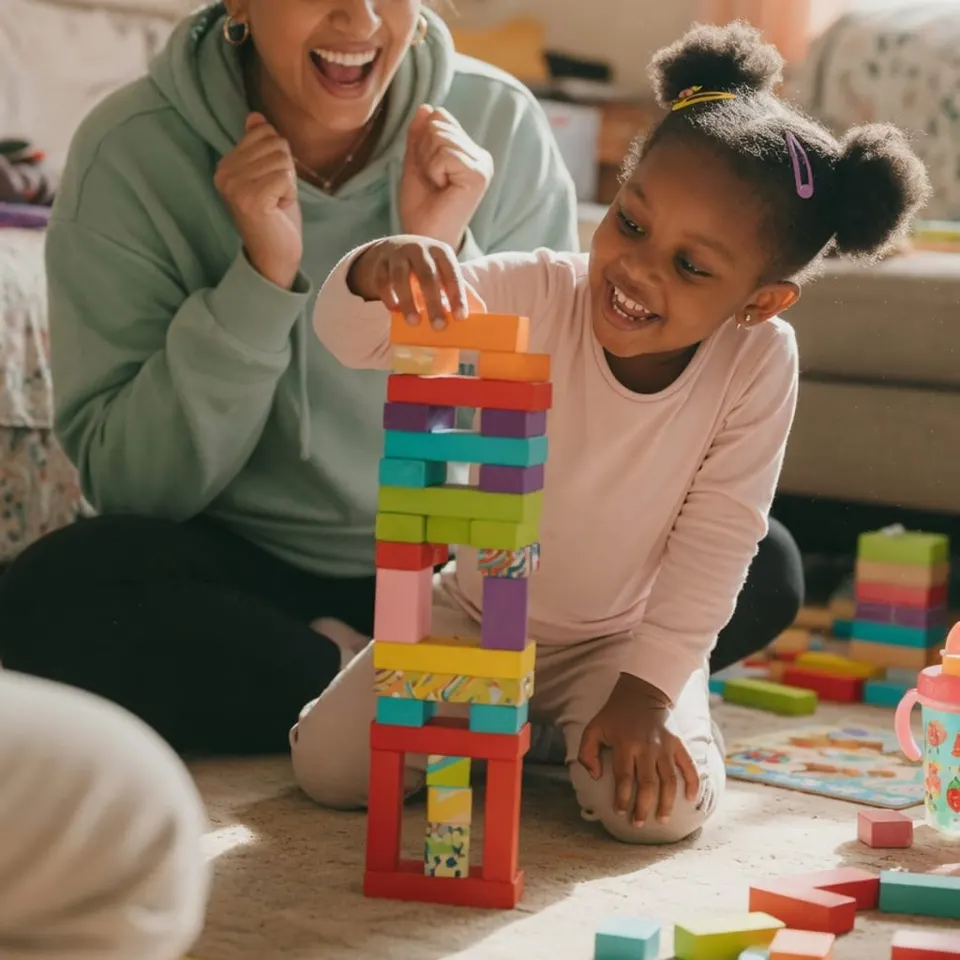
Plan activities that work for both siblings, like parallel play (building with blocks side by side) or a shared special interest. If one sibling loves trains and the other loves drawing, combine them into a train illustration project. Celebrate small moments of connection: a high-five, a shared laugh, or a quiet moment reading together.
Giving Siblings Their Own Space and Time
It's crucial that siblings don't feel invisible or that all attention goes to the autistic child. Schedule one-on-one time with each sibling, even 15 minutes a week. Let them express any negative feelings without judgment. A common phrase: "It's okay to feel frustrated. Your feelings are important. Let's figure out how to make things better."
Common Mistakes to Avoid When Explaining Autism
- Using comparisons like "broken" or "sick": This creates stigma. Instead, use neutral or positive language: "different wiring."
- Overloading a child with medical jargon: Keep it simple and check for understanding.
- Focusing only on challenges: Highlight strengths like honesty, pattern recognition, or deep focus.
- Assuming siblings don't have questions: Prompt them: "What do you want to know about how your brother experiences things?"
- Dismissing their emotions: Never say "Don't be jealous" or "You should be grateful." Validate, then redirect.
How ABA Therapy Can Support the Whole Family
What is ABA and How It Helps
Applied behavior analysis (ABA) is a proven, evidence-based therapy that helps autistic children develop skills in communication, social interaction, and daily living. ABA is typically covered by insurance, including Medicaid, and is delivered by a board-certified behavior analyst (BCBA). But ABA isn't just for the child-it often includes parent training and sibling involvement, helping families understand behavioral triggers and effective strategies.
Using ABA Centers Near Me for Free Provider Matching
ABA Centers Near Me is a free service that connects families with vetted, BCBA-led ABA providers in their area. By filling out a short form, you can be matched with clinics that offer sibling support groups, family therapy, and parent coaching. This ensures that everyone in the family-including siblings-has access to resources that promote understanding and reduce stress. No cost, no obligation, just a warm connection to local experts.
Practical Tips for Ongoing Conversations
- Read books together: Titles like The Autism Acceptance Book or Why Does Izzy Cover Her Ears? open dialogue.
- Use videos: Short clips from autistic creators can normalize differences.
- Role-play scenarios: Practice what to do if a sibling has a meltdown in public, teaching empathy and practical help.
- Create a "sibling toolkit": A small kit with noise-canceling headphones, fidget toys, or a calm-down card can help siblings feel prepared and empowered.
- Check in regularly: Ask "How are things with your sister?" or "Is there anything you want to change about our family time?"
When to Seek Professional Support for Siblings
If a sibling shows signs of anxiety, depression, or resentment that affects daily life, consider a therapist who specializes in neurodiverse families. Play therapy, sibling support groups, or simple parent coaching can work wonders. Remember, you don't have to do this alone. ABA Centers Near Me can help you find providers who offer family-centered services, ensuring that everyone's voice is heard.
Conclusion: A Family Journey of Understanding
Explaining autism to siblings is not a one-time talk-it's an ongoing conversation that grows as children do. By using warm, accurate language, validating feelings, and involving siblings in supportive ways, you can foster a deep bond that enriches your family. You don't have to navigate it alone. Free matching with a BCBA-led provider through ABA Centers Near Me can help you find the right support for your whole family, including siblings. Start the conversation today, and watch your family's understanding and love grow.