Not Pointing at 12 Months: What It Means and Whether ABA Therapy Is Needed
In short: Not pointing at 12 months can be an early sign of autism, but it doesn't always mean a child needs ABA. Pointing is a key social-communication milestone. If your child isn't pointing by 12 months, talk to your pediatrician and consider an early intervention evaluation. ABA therapy can help build communication skills, and our free service can match you with a BCBA-led provider if needed.
Key takeaways
- Pointing typically emerges between 9 and 14 months; not pointing by 12 months can be a red flag.
- Not pointing alone doesn't mean autism-other developmental factors matter.
- Early intervention, including ABA, can improve communication and social skills.
- ABA therapy is often covered by insurance and Medicaid.
Find your child's ABA provider
About 60 seconds · free & confidential
- ✓ Vetted, BCBA-led providers
- ✓ In-home, center & telehealth
- ✓ No obligation, ever
Understanding the Milestone: Why Pointing Matters
Pointing is a powerful early communication skill. Around 9 to 14 months, babies start pointing to show interest, request something, or share attention with a caregiver. This gesture, called joint attention, is a foundation for language and social development. When a 12-month-old isn't pointing, it can be a sign of a developmental difference, including autism spectrum disorder (ASD). However, it's not a definitive diagnosis. Many children develop at their own pace, and some may point later or use other gestures first.
What Pointing Communicates
Pointing serves several purposes: protodeclarative (to share interest, like pointing at a dog) and protoimperative (to request, like pointing at a snack). Both require an understanding that others can see and understand your focus. This social-cognitive skill is often delayed in children with autism. But remember, every child is unique. Some typically developing children skip pointing and use other gestures, like reaching or waving.
🔗 Related reading: Child Hates ABA Therapy: Should You Stop? · Local ABA Therapy
When Not Pointing Might Indicate a Need for Support
If your 12-month-old isn't pointing, it's wise to monitor other developmental areas. The American Academy of Pediatrics recommends autism-specific screening at 18 and 24 months, but you can flag concerns earlier. Here are signs that might warrant further evaluation:
- No babbling or limited vocalizations
- Lack of eye contact or social smiling
- Not responding to their name by 12 months
- Not using other gestures (waving, reaching)
- Loss of skills they once had
If you notice these alongside not pointing, talk to your pediatrician. They may refer you to Early Intervention (Part C of IDEA) for a free evaluation. In many states, this program provides services like speech therapy, occupational therapy, and developmental support.
Looking for ABA therapy for your child? We match families with vetted, BCBA-led providers near you.
Get matched freeDoes Not Pointing Mean ABA Therapy Is Needed?
Not necessarily. ABA (Applied Behavior Analysis) therapy is a research-based approach often used for children with autism to build skills and reduce challenging behaviors. But it's not a first-line response for every missing milestone. ABA is most effective when a child has an autism diagnosis or significant developmental delays that affect daily functioning. If your child is only not pointing but otherwise hitting other milestones, your doctor might recommend watchful waiting or speech therapy first.
However, if an evaluation suggests autism or significant delays, ABA can be incredibly helpful. It breaks down skills like pointing into small, teachable steps using positive reinforcement. A BCBA (Board Certified Behavior Analyst) designs a personalized plan to encourage joint attention, imitation, and communication.
The Role of Early Intervention
Research shows that early intervention-starting before age 3-can lead to better outcomes. ABA is one of the most well-studied therapies for autism. But it's not the only option. Your child might benefit from a combination of speech therapy, occupational therapy, and developmental play groups. Our free matching service can help you find a vetted, BCBA-led provider who can assess your child's needs and recommend the right approach.
🔗 Related reading: ABA Therapy in New York: What Families Should Expect · Nearby ABA Therapy
Costs and Insurance Coverage for ABA
ABA therapy can be expensive, with costs ranging from $50 to $150 per hour. However, it's often covered by insurance due to state mandates and the Affordable Care Act. Many private plans include ABA for autism. Additionally, Medicaid covers ABA in most states, and children with a diagnosis may qualify for state-funded programs. If you're concerned about costs, our service can help you find providers who accept your insurance, including Medicaid plans.
Steps to Get Started
- Talk to your pediatrician about your concerns.
- Request an Early Intervention evaluation (free in most states).
- If a diagnosis is made, ask for a referral to a BCBA or ABA provider.
- Use our free matching service to find a vetted provider near you.
Practical Tips for Encouraging Pointing at Home
While you wait for professional guidance, you can try simple activities to promote pointing:
- Model pointing yourself when you see interesting things (e.g., 'Look, a bird!')
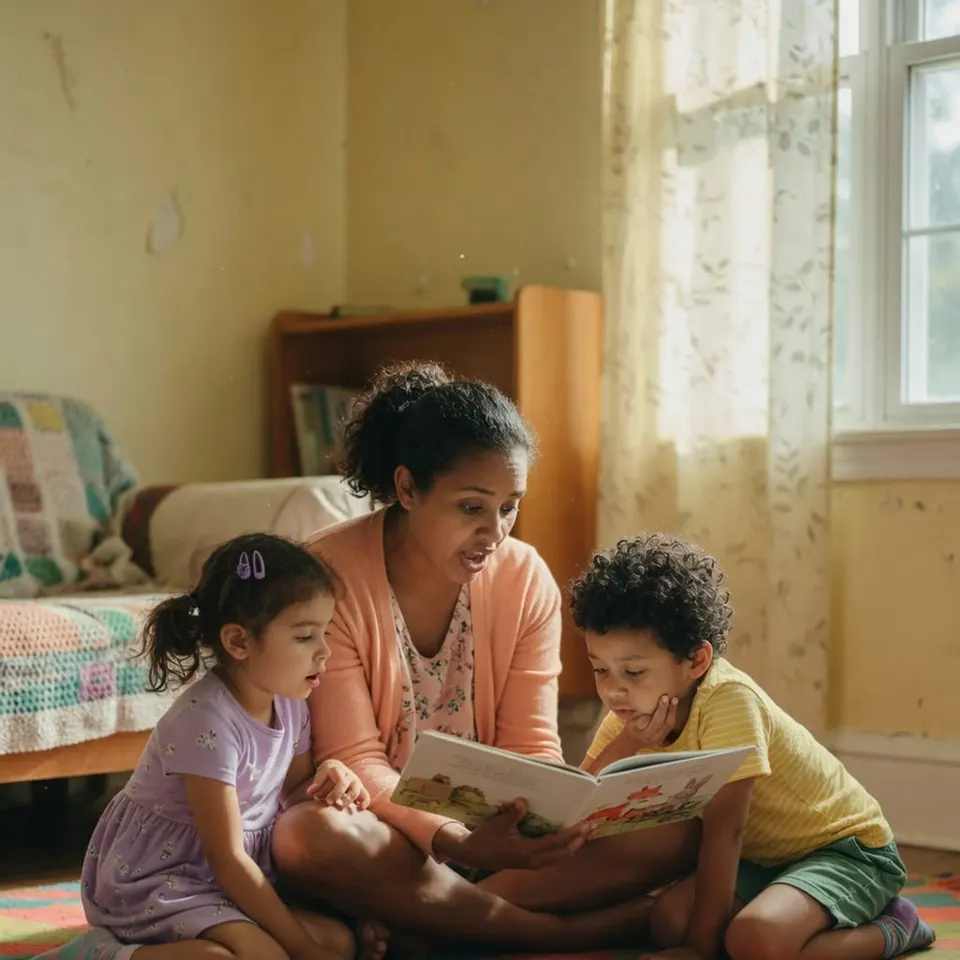
- Use books with pictures and point to objects while naming them.
- Play games that involve pointing, like 'Where's the ball?'
- Respond enthusiastically when your child gestures, even if it's not a point.
These activities can strengthen joint attention and communication. But if your child doesn't respond, don't worry-it's not a failure. Some children need more structured support from a professional.
Common Mistakes to Avoid
- Waiting too long: Early action is key. Don't assume they'll 'grow out of it.'
- Self-diagnosing: Only a professional can assess autism or developmental delays.
- Ignoring other signs: Not pointing is just one piece of the puzzle.
- Forgetting insurance options: Many families don't realize ABA is covered. Check your plan.
How Our Free Matching Service Can Help
Navigating the world of therapy can be overwhelming. That's where we come in. ABA Centers Near Me is a free service that matches families with vetted, BCBA-led ABA providers. We don't provide therapy ourselves-we help you find the right fit. Whether your child needs a full ABA program or just a consultation, we can connect you with local experts who accept your insurance, including Medicaid. Start by filling out a simple form, and we'll do the rest.